How GLP-1 Helps with Insulin Resistance and Weight Loss
Learn how GLP-1 helps in insulin resistance treatment and supports effective weight loss by improving metabolism and controlling appetite.
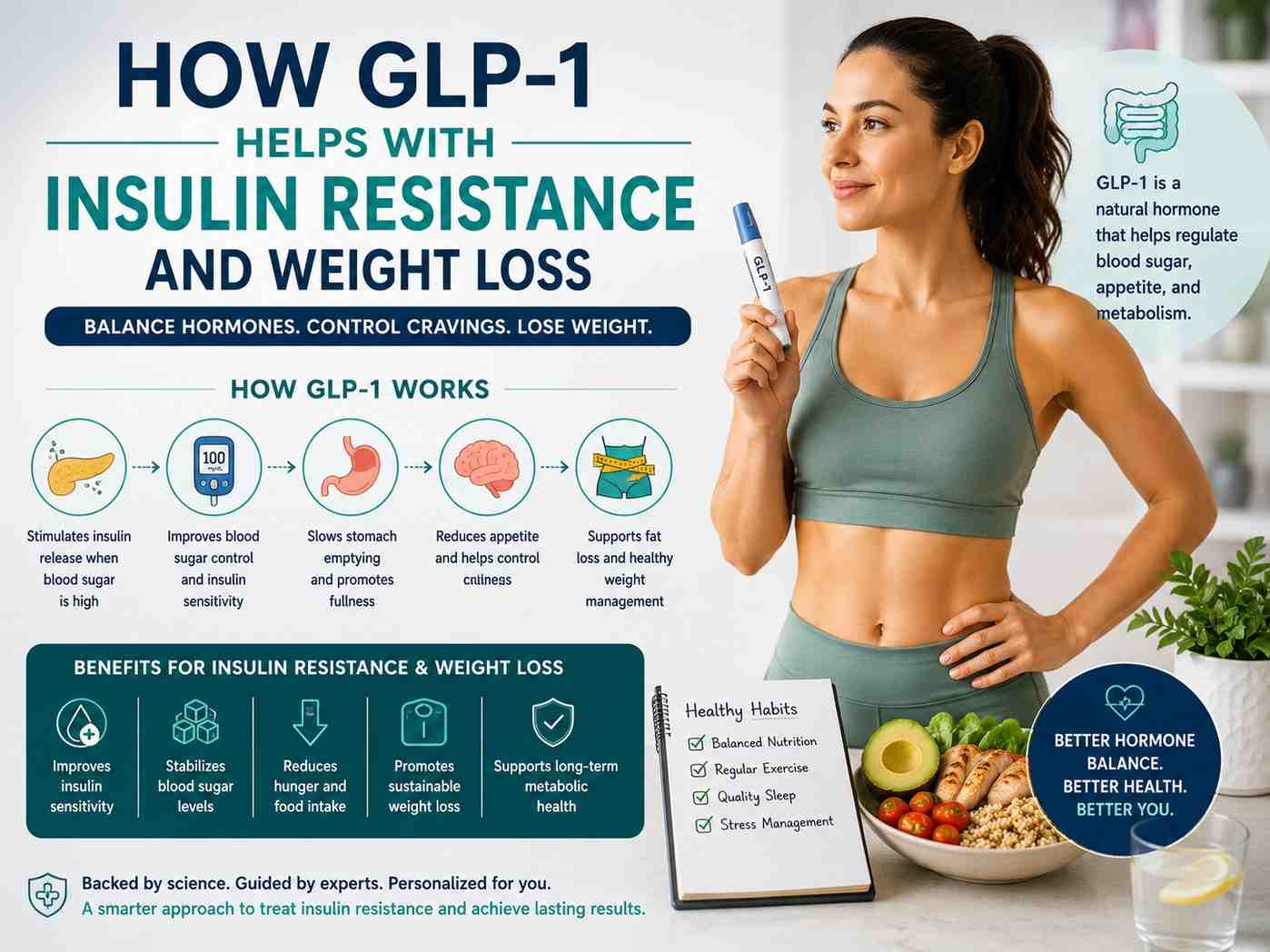
Insulin resistance is one of the most common yet overlooked causes of weight gain, fatigue, and metabolic disorders. Many people struggle with losing weight despite dieting and exercising, not realizing that hormonal imbalance could be the root issue. If you are exploring insulin resistance treatment, understanding the role of GLP-1 can be a game changer.
GLP-1 based therapies are now widely used in medical weight loss programs because they address both insulin resistance and appetite regulation at the same time. This makes them highly effective for sustainable fat loss and metabolic improvement.
What is Insulin Resistance?
Insulin resistance occurs when your body’s cells do not respond properly to insulin, a hormone responsible for regulating blood sugar levels. As a result, the body produces more insulin to compensate.
High insulin levels can lead to increased fat storage, especially around the abdomen, along with constant hunger, fatigue, and difficulty losing weight.
Common Signs of Insulin Resistance
- Unexplained weight gain, especially belly fat
- Constant cravings for sugar or carbs
- Low energy and fatigue
- Difficulty losing weight despite effort
- Frequent hunger
What is GLP-1?
GLP-1 (Glucagon-Like Peptide-1) is a hormone that helps regulate blood sugar, insulin secretion, and appetite. It is naturally released in the gut after meals and signals the brain to reduce hunger.
GLP-1 medications mimic this hormone, helping the body manage glucose levels more effectively while also reducing food intake.
How GLP-1 Helps in Insulin Resistance Treatment
1. Improves Insulin Sensitivity
GLP-1 helps the body use insulin more effectively, reducing the need for excess insulin production. This directly targets the root cause of insulin resistance.
2. Regulates Blood Sugar Levels
By slowing glucose release into the bloodstream, GLP-1 prevents spikes and crashes in blood sugar levels.
3. Reduces Appetite
GLP-1 affects appetite centers in the brain, helping you feel full longer and reducing cravings for unhealthy foods.
4. Promotes Fat Loss
Lower insulin levels mean less fat storage. Combined with reduced calorie intake, this leads to consistent weight loss.
GLP-1 and Weight Loss: Why It Works
Traditional weight loss methods often fail because they ignore hormonal factors. GLP-1 therapy works differently by addressing both hunger and metabolism.
- Reduces calorie intake naturally
- Controls hunger hormones
- Improves metabolic efficiency
- Supports long-term weight management
Who Can Benefit from GLP-1 Treatment?
- Individuals with insulin resistance
- People struggling with obesity or overweight
- Patients with type 2 diabetes
- Those who have failed traditional diets
- Individuals seeking medically supervised weight loss
Are There Any Side Effects?
GLP-1 treatments are generally well tolerated. Some people may experience mild side effects such as nausea or digestive discomfort, especially in the initial stages.
These effects usually reduce over time as the body adapts. A healthcare provider can guide dosage and monitor progress safely.
Lifestyle Changes That Enhance Results
While GLP-1 is effective, combining it with healthy habits improves outcomes significantly:
- Balanced, protein-rich diet
- Regular physical activity
- Quality sleep
- Stress management
Final Thoughts
Insulin resistance is a major barrier to weight loss, but it can be effectively managed with the right approach. GLP-1 therapy offers a scientifically backed solution by improving insulin function and controlling appetite.
If you are struggling with weight loss despite your efforts, addressing insulin resistance with expert guidance can help you achieve sustainable results.